

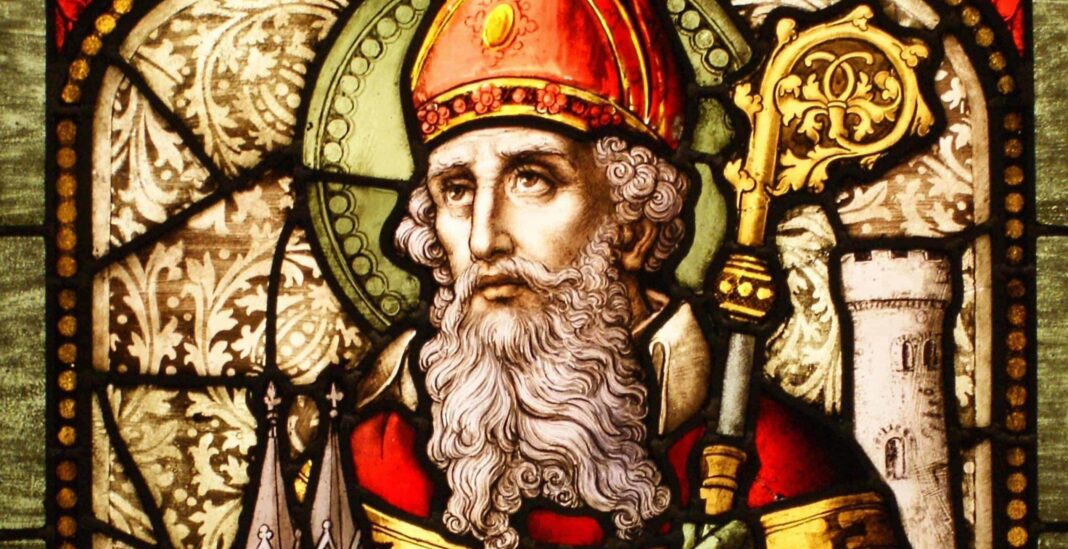
March 17th is just around the corner. It’s almost time to celebrate St. Patrick’s Day! But who was he? Born in late 4th-century Roman Britain, Saint Patrick (originally named Maewyn Succat) was a Christian missionary and bishop credited with spreading Christianity across Ireland. He is now celebrated annually on March 17, the tradition-held date of his death.
Who was Saint Patrick?
- Captivity and Escape: At age 16, Patrick was kidnapped by Irish raiders and sold into slavery in Ireland, where he spent six years as a shepherd. During this lonely time, he turned to prayer and developed a deep Christian faith.
- Missionary Work: After escaping back to Britain, he had a vision calling him back to Ireland to “walk once more among them”. He returned as a missionary around 432 AD, using his knowledge of the Irish language and culture to convert thousands of pagans and establish hundreds of churches.
- Symbolism & Legends:
- The Shamrock: Legend says he used the three-leafed clover to illustrate the Holy Trinity (Father, Son, and Holy Spirit).
Driving out Snakes: A famous myth claims he banished all snakes from Ireland, though scientists note that snakes were never native to the island; the story is likely a metaphor for driving out paganism.
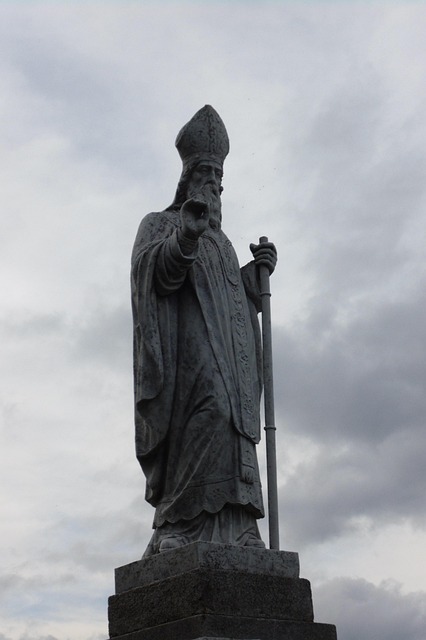
Why do we celebrate him?
What began as a religious feast day has evolved into a global celebration of Irish culture and heritage.
- Religious Significance: In the Catholic, Anglican, and Orthodox churches, it is a feast day honoring the man who brought Christianity to Ireland.
- Cultural Identity: For the Irish diaspora, especially in the United States, the holiday became a way to celebrate Irish roots and overcome historical discrimination.
- Traditions:
- Wearing Green: Green became the official color of the day during the Irish Rebellion of 1798; originally, the color associated with the saint was blue.
- Parades: Interestingly, the first St. Patrick’s Day parades were held in America (such as in St. Augustine, FL, in 1601 and New York City in 1762), rather than in Ireland.
- Lenten Break: Because the day falls during Lent, restrictions on eating meat and drinking alcohol were traditionally waived for the day, leading to the modern tradition of feasting.