

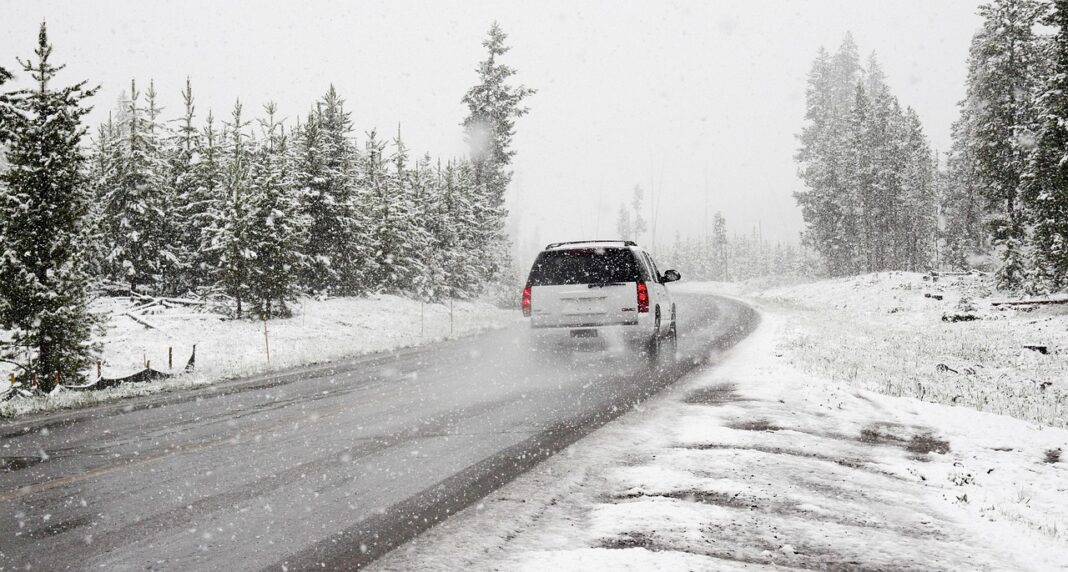
My car has that frosty, crunchy, salty finish right now and I was wondering how much damage could this really do?
Getting winter salt off your car is critically important because salt is a highly corrosive substance that can cause irreversible structural damage and expensive mechanical failures. Experts estimate that salt-related rust damage costs U.S. drivers roughly $3 billion annually.
Why Salt Removal is Essential
- Structural Integrity: Salt accelerates the oxidation process, leading to rust on the vehicle’s frame, subframes, and body panels.
- Critical System Safety: Salt buildup can corrode essential mechanical parts, including:
- Brake lines: Rusted lines can become brittle and leak, leading to sudden brake failure.
- Fuel lines: Corrosion can lead to dangerous leaks.
- Exhaust system: Salt can cause holes in the muffler and exhaust pipes, potentially allowing odorless carbon monoxide to enter the cabin.
- Safety Features: Salt residue can coat headlights, taillights, and advanced sensors (like those for automatic emergency braking), compromising visibility and safety systems.
- Resale Value: Significant rust or damaged paint can drastically lower a vehicle’s trade-in or resale value.
When and How Often to Wash
- General Rule: Aim to wash your car every 10 to 14 days during winter.
- Heavy Exposure: Increase to once a week if you drive frequently in heavy snow, slush, or on heavily salted roads.
- Post-Storm: Wash your vehicle as soon as possible after a winter storm once the roads have been cleared.
- Temperature Tip: If washing at home, do so when temperatures are above 35°F (2°C) to prevent freezing, and avoid washing on days colder than -10°C (14°F) to protect the paint job.
Key Areas to Target
- The Undercarriage: This is the most vulnerable area as it has the most exposed metal and direct contact with salted slush. Always opt for an undercarriage rinse at car washes.
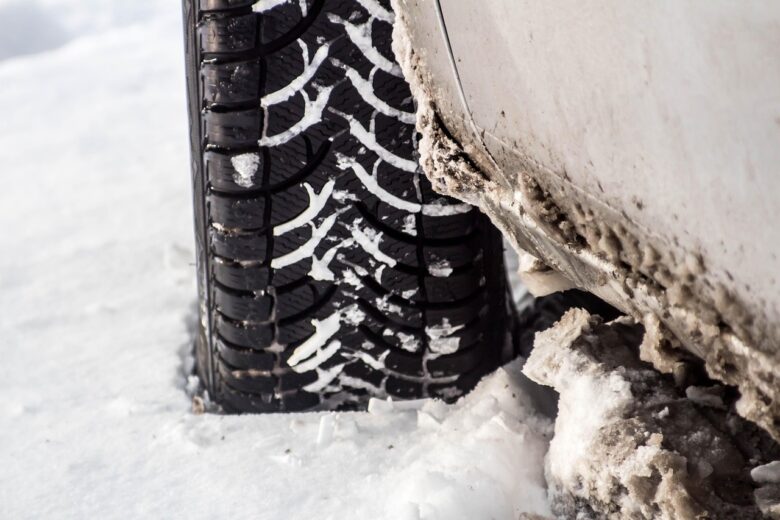
- Wheel Wells and Rocker Panels: These areas frequently trap salt-laden mud and snow.
- Paint and Finish: Rinse first with fresh water to avoid grinding abrasive salt crystals into the paint. Applying a wax or ceramic sealant before and during winter provides a vital protective barrier.
Please don’t underestimate the importance of washing your car frequently in winter to remove corrosive road salt and maintain its condition.