


The Legend of The Sundance Kid at the Jersey Shore
If you live long enough in New Jersey — or at least long enough to complain about southbound summer traffic on the Parkway — you’ll hear every sort of claim about which famous American was “born right here.” Bruce Springsteen? Yes. Walt Whitman? A complicated yes. Danny DeVito? Oh, absolutely yes. The Sundance Kid? That one’s going to take a seat way, way in the back.
Butch Cassidy and the Sundance Kid, 1969. Arriving in Bolivia
Butch Cassidy: “It could be worse. You get more for your money in Bolivia; I checked on it.“
Sundance: “What could they have here that you could possibly want to buy?”
Butch Cassidy: “Well, all of Bolivia can’t look like this.”
Sundance: “How do you know? This might be the garden spot of the whole country. People might travel hundreds of miles to get to this spot where we’re standing right now. This might be the Atlantic City, New Jersey of all Bolivia, for all you know.”
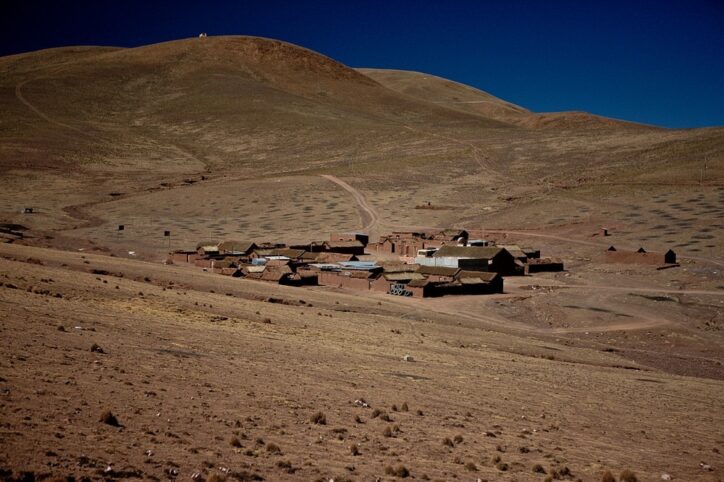
Butch Cassidy: “Look, I know a lot more about Bolivia than you know about Atlantic City, NJ, I can tell you that.”
Sundance: “Ah Ha!!!! You do, huh? I was born there. I was born in New Jersey. Brought up there. “
And that’s where the legend was solidified for 20th-century audiences. Harry Alonzo Longabaugh was born in Atlantic City, NJ and traveled the boardwalks of the Jersey Shore as a young man.
Every few years, some earnest teller of tales will insist that Harry Alonzo Longabaugh, better known to Hollywood and every middle-aged guy with a rugged fantasy as The Sundance Kid, was born in Atlantic City. “Right there near the Boardwalk,” they say, “before the casinos and after the mosquitoes.” You’ll hear it in bars, you’ll see it in a random tourist brochure someone wrote in a weekend, and occasionally you’ll find it repeated on the internet by folks who believe Wikipedia is one of the Gospels.
Let’s clear this up like your grandmother clearing a table after Sunday dinner:
Sundance was NOT born in Atlantic City.
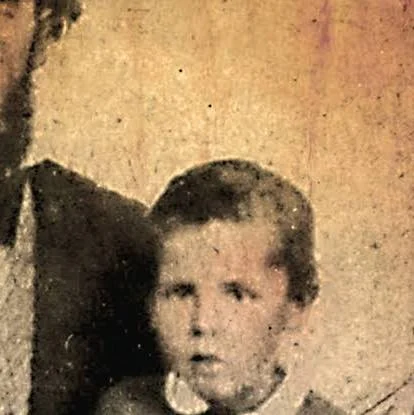
He wasn’t even born in New Jersey. He wasn’t even born near New Jersey. He came into this world on December 31, 1867, in Mont Clare, Pennsylvania, a quiet town outside Phoenixville, where the biggest excitement was deciding whether to walk the horse or let him do the walking for you.
But if you look hard enough, there is just enough of a thread between Longabaugh and New Jersey to keep the rumor alive. Not enough to hang a fact on, but enough to hang a myth on, and people love a good myth almost as much as they love pork roll (or Taylor ham — I’m staying out of that fight. OK, no, I’m not. It’s pork roll).
Now, the Longabaugh clan did have some relatives working the old railroad lines that ran from Philadelphia to Camden, then up toward South Amboy. But historians have scoured payroll logs, census rolls, railroad manifests, cemetery stones, and probably a few diner placemats looking for evidence that Harry himself ever wandered into New Jersey. Nothing. Not even a cowboy boot print preserved in wet sand.
The confusion started in the early 20th century, when newspaper writers — often with more ink and imagination than accuracy — began romanticizing western outlaws to entertain readers during the Great Depression. Some bright spark decided that Atlantic City needed a bit of outlaw glamour, so they connected the Sundance Kid with a different Longabaugh family entirely. Before long, pulp magazines repeated it, tourist pamphlets adopted it, and the legend was off to the races like a horse that didn’t know it was stolen yet.
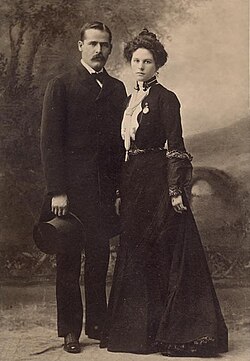
Meanwhile, the real Harry Longabaugh was getting into trouble elsewhere. As a young man, he drifted west instead of east, eventually finding himself arrested in Nebraska for horse theft. He served eighteen months in the Sundance, Wyoming jail — the place that gave him the nickname he’d later use to impress one of the most storied women in outlaw history, Etta Place, who may or may not have been a schoolteacher, an adventurer, or possibly the most patient girlfriend in the Rocky Mountains.
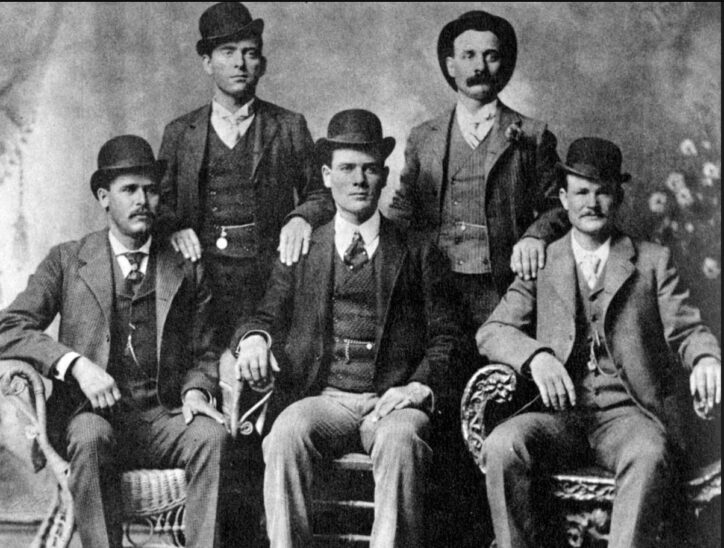
Between 1890 and 1900, Harry joined up with Butch Cassidy and the rest of the Wild Bunch, a gang that robbed trains, banks, mining payrolls, and just about anything else that wasn’t nailed down. They were charming, slippery, and about as honest as a crooked blackjack dealer in 1920s Asbury Park.
And here’s where New Jersey finally, briefly, sneakily comes into the story:
Some of the goods the Wild Bunch stole ended up being laundered on the East Coast, including Jersey City. Not by Harry — he was out west avoiding bullets — but by fences and middlemen who didn’t mind taking stolen loot and turning it into clean money. Pinkerton detective reports confirm this.
It’s the one true, documented tie between Sundance and the Garden State.
So, did Sundance ever personally set foot in New Jersey?
The evidence says no.
The myth says yes, but the myth also says Bigfoot is real and the Spy House is haunted.
By 1901, Harry and Etta were sailing from New York City to Argentina under assumed names, living the quiet ranch life between robberies, and eventually getting into trouble with local authorities. In 1908, cornered in San Vicente, Bolivia, two bandits died in a shootout — believed to be Harry and Butch. The bodies were buried in unmarked graves, which keeps the rumors alive that maybe they survived.
In the book,”Digging Up Butch and Sundance”, author Anne Meadows and her husband Dan Buck follow a trail of faded telegrams, dusty police files, and whispering villagers from Argentina to the high-desert town of San Vicente, Bolivia — all in search of the two notorious outlaws who may or may not have died there in 1908.
With forensic anthropologist Clyde Snow in their corner, they carefully excavate a shallow grave, examine skeletal fragments, and confront the impossible: myth and memory entwined in the high desert. What they uncover is as much about legends as it is about bones — a reminder that sometimes the truth lies in the soil, and sometimes in the story we choose to tell.
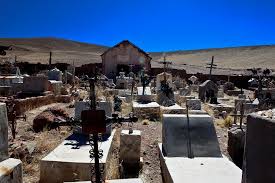
We may never know if the Sundance Kid and Butch Cassidy are really in that grave, or if they escaped as legend and family members of both men claim.
A documentary was made about the excavations:
https://youtu.be/PjlL51_RSQM
Americans hate loose ends, but they love them even more when it’s an outlaw story. In the end, the Sundance Kid remains a national legend — but not a New Jersey one. We’ve got enough characters of our own. Let Pennsylvania have him.
Still, if you ever see a cowboy hat drifting along the Atlantic City boardwalk, just remember in New Jersey, we never let the truth get in the way of a good story. We just make sure it’s a better story than the one Pennsylvania tells.
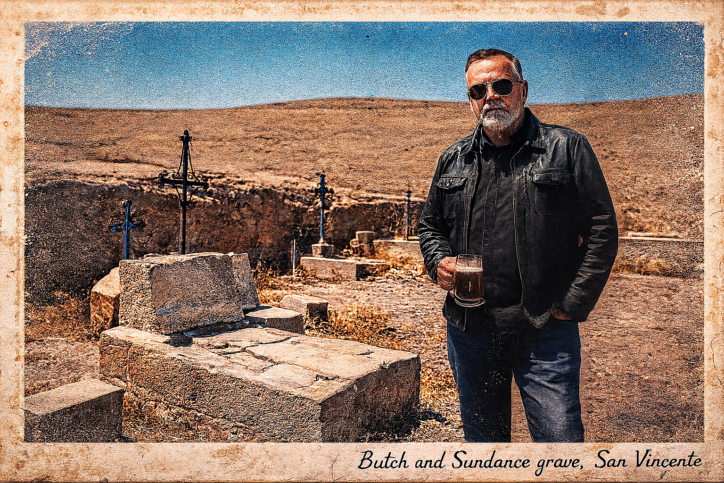
Have a good historical story or mystery to solve? Drop me an email:
[email protected]