

By Sharon Merkel Prudhomme ~
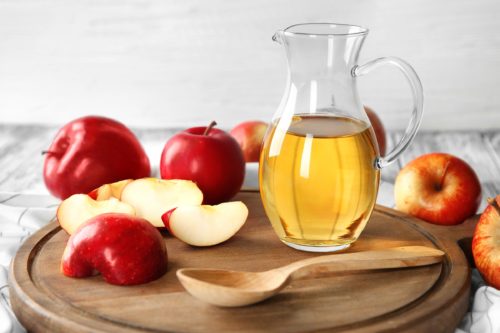
Although Apple Cider is thought of as an autumn time beverage, it is available year-round in most areas. Aromas of cinnamon sticks & warm cider wafting from a steeping crockpot or stovetop offer a welcoming cozy homey feel. Modern-day ciders are cousins to the ancient beginnings of this delicious beverage. Apple cider is found in grocery stores across the states as well as a closer relative of the “original” drink known as “hard cider.” Newest to the bar tap and bottle scene are the various brands of hard ciders.
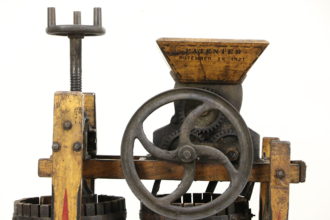
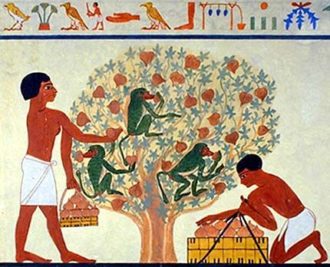
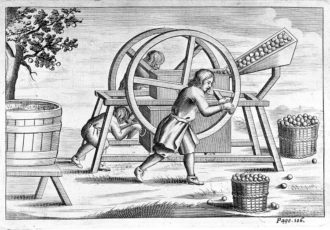
Thousands of years ago apples were far too bitter and rough tasting for eating. These early fruits were smashed and pressed for the juice. Juices were allowed to bubble and ferment resulting in an early liquor or the 1st hard ciders. Ancient Egyptians had apple trees growing along the banks of the Nile River. History points to the Egyptians as one of the first peoples to ferment beer. Although nothing hints of them actually making ciders, they had the knowledge of fermenting and had access to apples.
According to the Smithsonian, as early as 55BC, the idea of drinking fermented apple beverages had rapidly moved with the Romans to the British Isles, the Germanic tribes then to the Normans. Apples have been around for all of man’s existence throughout Asia, North America and Europe using fermentation dating back as early as 6,000BC!! Although history isn’t exactly clear, Northern Spaniards hint to early cider making before 55BC. Favorable climates for growing apples in Spain allowed for the production of these early ciders. Supposedly, cider popularity there is so great that the average person drinks approximately 14 gallons per year! It is said the word “cider” became common in the English language during the 9th century! Early American colonists introduced the beverage here as the barley and grains needed to brew beer was difficult to grow. Settlers found apples to be an easy crop to harvest making cider readily available.
Colonists loved their ciders and felt it was often safer than some waters were as well as being healthful. This cider was assisted in providing nutrients during the brutally tough winters. It is said that a lesser alcohol version was made for the younger kinfolk which was called “applekin”. These early Americans rated their love of hard cider above beer, wine, and liquor. This strong love of ciders is what brought John Chapman AKA “Johnny Appleseed” on the scene! John was born in 1774 and later traveled the lands planting apple seeds for 50 years!
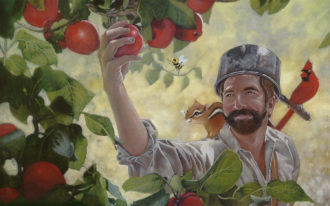
He actually started apple tree nurseries in Ohio, Indiana & Illinois as well as supplying to settlers. These were not for eating, but to promote the availability of hard cider to all. (Not exactly what our grammar school teachers mentioned)! Often apple trees had been found in various regions by way of “natures’ plantings” via the droppings of seeds from birds and bear scat. Over time, beer began to overcome the cider craze about the time Germans arrived and settled in the Midwest. With them, they brought their fondness of beer finding the Midwest’s fertile land conducive to growing hops & grains.
Later in the 1800s when cities grew and folks left farms for the jobs cities offered, the decline of cider began. Cider was unpasteurized or filtered therefore couldn’t be dispersed or shipped for long distances. Then along came Prohibition which about killed the cider industry until recent years with numerous craft brewers entering the scene. The US regulations allow hard cider alcohol content to be up to 7% and must contain at least 50% apple juice.
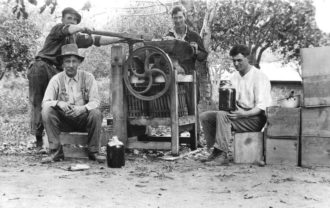
Personally I am not a beer drinker as I find any and most all beer a tad too “skunky” for my taste. Having tried several hard ciders in bars & restaurants both bottled and drafts, I found them quite tasty! An apples’ acidity and high tannins make for a good cider and are known as “bitter sharps & bittersweets.” Craft Ciders do come in a variety of tastes and can be anywhere from clear to a bit on the cloudy side. You’ll find colors ranging from a semi pale to darker amber.
On your next visit to your favorite bar or restaurant, why not try a taste? Ask your server or bartender if they’ve got a cider on tap. For the skeptics, ask for a sample before committing to a full glass or bottle. If thumbs-up, go for it! Perhaps bring a six-pack home on your next liquor store run. Might be just the ticket for your upcoming holiday festivities!
*I’ve added hard cider to my pork chop & chicken sauté pan with yummy results! Have fun and enjoy your fall!