

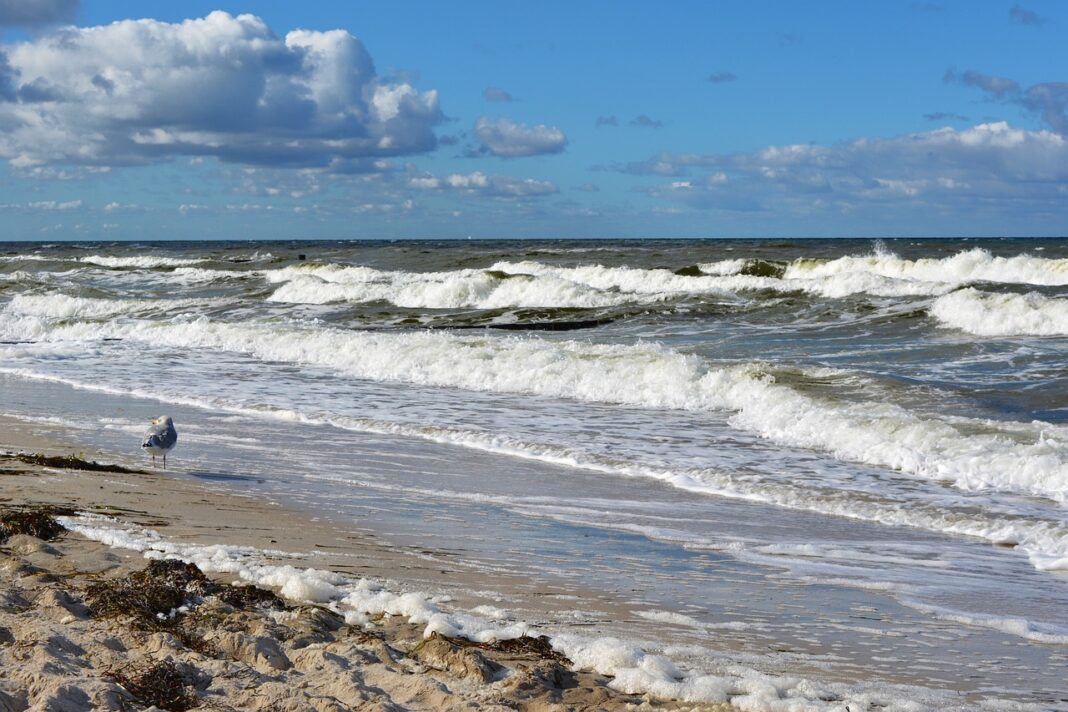
What is it with October and Nor’Easters and Hurricanes here at the Jersey Shore? We know the drill and how to prepare for a Nor’easter: secure your property, gather supplies, and make a family plan. Coastal regions, especially in low-lying areas, should expect damaging winds, coastal flooding, and beach erosion.
During the storm
- Stay indoors. The safest place to be is inside. Avoid unnecessary travel and stay off the roads.
- Monitor alerts. Listen to a battery-powered radio or local news for updates from officials.
- Avoid hazards. Stay away from windows and any downed power lines. Avoid floodwaters, as even a few inches of moving water can be dangerous.
- Practice generator safety. Only use generators outdoors and at least 20 feet away from windows, doors, and garages to prevent carbon monoxide poisoning.
- Minimize power usage. If the power goes out, unplug major appliances to prevent damage from power surges once electricity is restored. Keep your refrigerator and freezer doors closed to preserve food as long as possible.
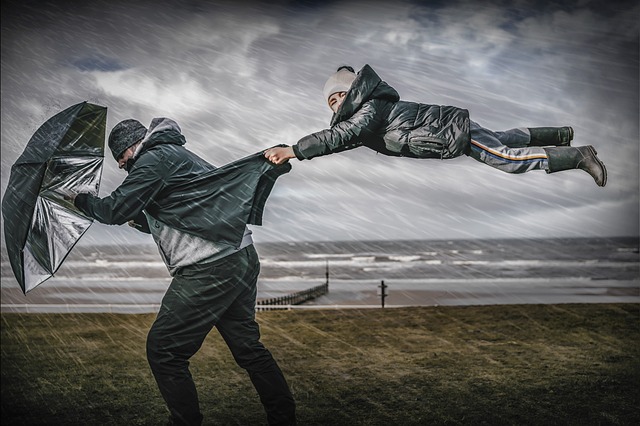
After the storm
- Continue monitoring the news. Listen for updates on road conditions, power restoration, and possible evacuation orders.
- Avoid floodwaters. Do not drive or walk through flooded areas. Water may hide downed power lines or other hazards.
- Check on neighbors. If it is safe, check on those around you to ensure they are safe.
- Be wary of damaged property. Take photos of any damage for a potential insurance claim. Avoid downed power lines and report them to 9-1-1.
- Assess food safety. If your power was out for four hours or more, throw away any perishable food that was not kept at a safe temperature.