
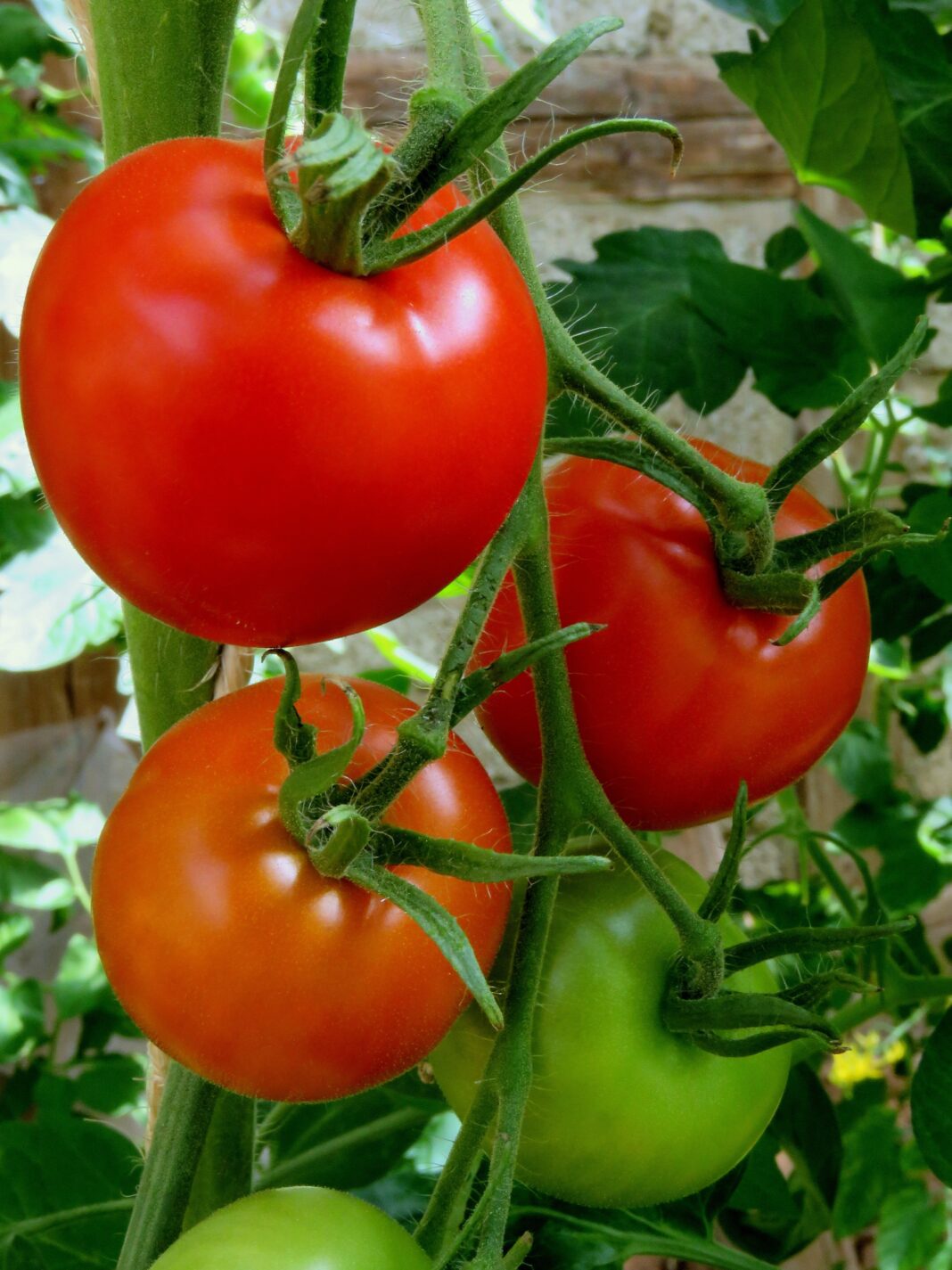
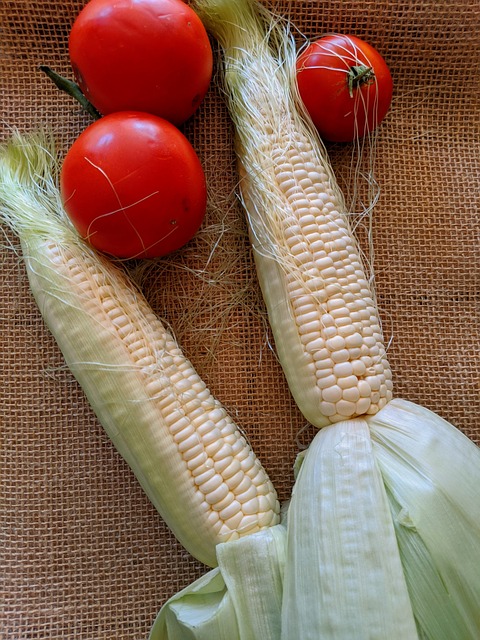
This is my favorite time of year because of all the incredible produce grown right here at the Jersey Shore, especially the sweet white corn on the cob and Jersey tomatoes. So why do the tomatoes taste so good?
Jersey tomatoes taste exceptionally good because of mineral-rich soil, an ideal peninsula climate, and a structural choice to prioritize flavor over long-distance shipping. While grocery store tomatoes are frequently engineered to stay firm during transit and are picked completely green, Jersey tomatoes are grown locally for immediate consumption and are left to ripen fully on the vine. This allows them to strike a perfect, explosive balance of high sugar and high acidity.
Much of New Jersey—especially South Jersey—features a coastal plain filled with well-drained, slightly acidic sandy loam soil.
- The Flavor Concentrator: This sandy soil drains water beautifully, forcing the tomato plants to work harder and concentrate their natural sugars and acids rather than getting waterlogged.
- Green Sand: The soil also contains glauconite (commonly called “green sand”), a natural marine fertilizer rich in minerals that nourishes the plants.
- Slow Ripening: The combination of hot, sunny summer days and cooler evenings allows the fruit to mature and ripen slowly.
- Depth of Flavor: This slow, deliberate growing process gives the tomato time for complex chemical compounds to develop inside the fruit fully.
In the mid-20th century, New Jersey scientists explicitly prioritized taste over cosmetics.
- The Legendary Hybrids: In cooperation with the Campbell’s Soup Company, vegetable breeders at Rutgers University introduced the famous Rutgers Tomato in 1934 and later the Ramapo variety in 1968.
- Perfect Imperfection: These traditional varieties were bred for incredible juiciness, bright color, and a sharp, sweet-tart profile rather than a thick, tough skin. They are often oddly shaped, “perfectly imperfect,” and prone to cracking, but they are unparalleled in flavor.
The logistics of the Jersey tomato are a major reason for its culinary crown.
- No Refrigeration: Because they are sold locally at roadside farm stands and community markets, they rarely see the inside of a cargo refrigerator—a process that permanently destroys a tomato’s flavor enzymes.
- The 48-Hour Window: Most Jersey tomatoes move from the field to a consumer’s kitchen table within 24 to 48 hours of being picked.