
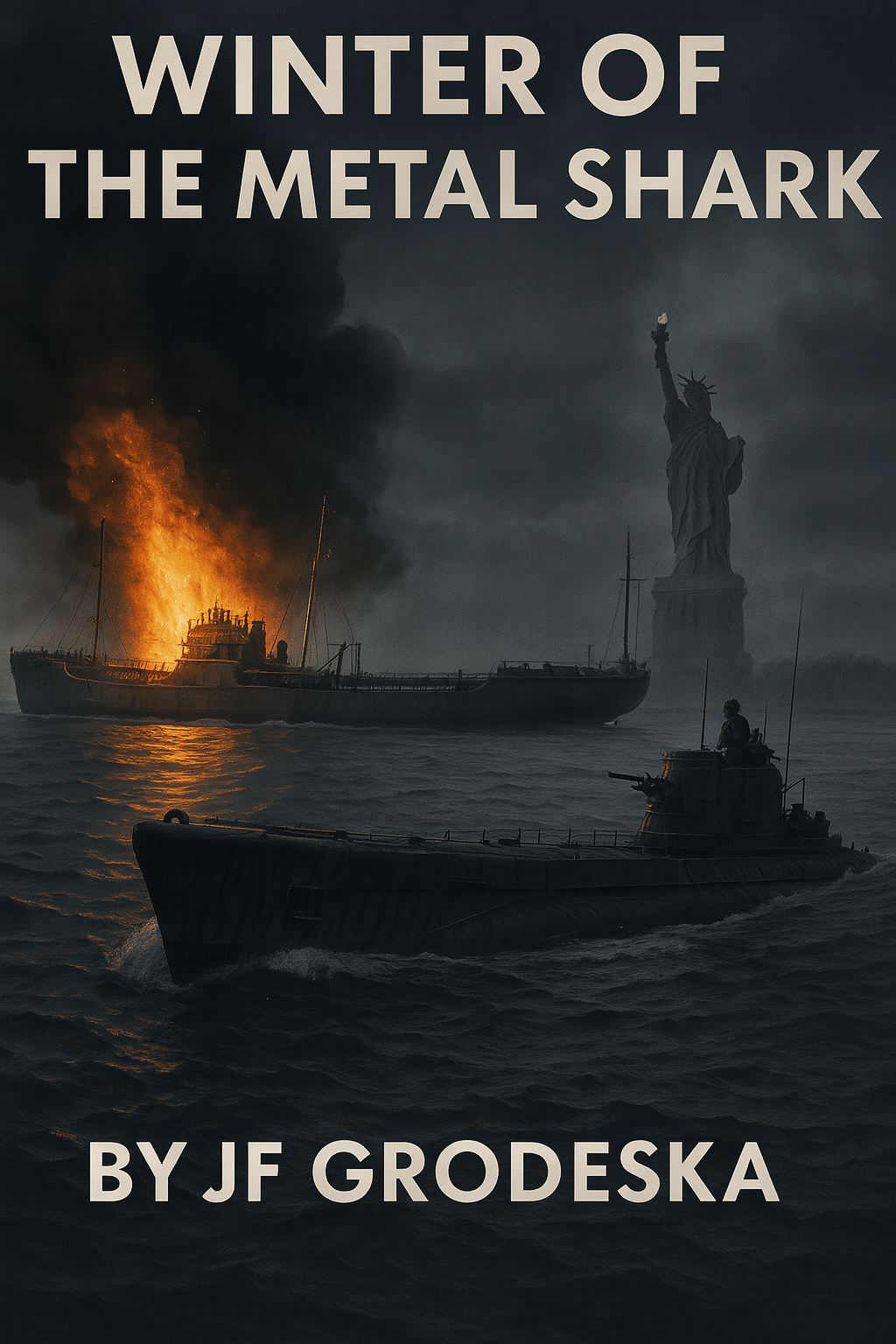
“The metal shark that came in the winter of ’42 left no tooth marks on the Jersey Shore — only fire on the horizon, empty lifeboats, and a lingering slick on the sea.”
The End
It was the spring of 1942. Korvettenkapitän Reinhard Hardegen walked into the “Casino” of Hitler’s Wolfsschanze — the Wolf’s Lair — already wishing the night would end. Though technically the guest of honor at the Führer’s dinner table, he had no interest in ceremony. That morning, he had been awarded Oak Leaves to add to his Knight’s Cross. That evening, he just wanted to be gone.
Decades later, Hardegen would reflect:
“I was not a Nazi… I did my duty for my country, not for Hitler.”
“Hitler was a madman who was wreaking havoc and driving Germany toward catastrophe.”
Dinner was sparse, tailored to Hitler’s strict vegetarian palate. While the generals were served liver sausage and sauerkraut, Hitler ate boiled potatoes with peas. His secretary, Traudl Junge, later remarked,
“The generals and guests often had beer or schnapps. Hitler, though, never touched a drop.”
Midway through the meal, conversation turned to the war in the East — the grand push toward Moscow. Frustrated by the disregard for the navy’s role in the war, Hardegen interrupted.
“You’re standing with your back to the sea… this war is a sea war.”
Hitler turned red with anger but composed himself. After the meal, Colonel General Alfred Jodl quietly pulled Hardegen aside to reprimand him for his impertinence.
“The Führer needs to know the truth,” Hardegen replied. “I have to say what I think.”
Hardegen never joined the Nazi Party — a dangerous distinction in those days. He would soon be relieved of battle command and reassigned to training duties.
But not before he had made history — and brought war to the shores of America..
The Beginning
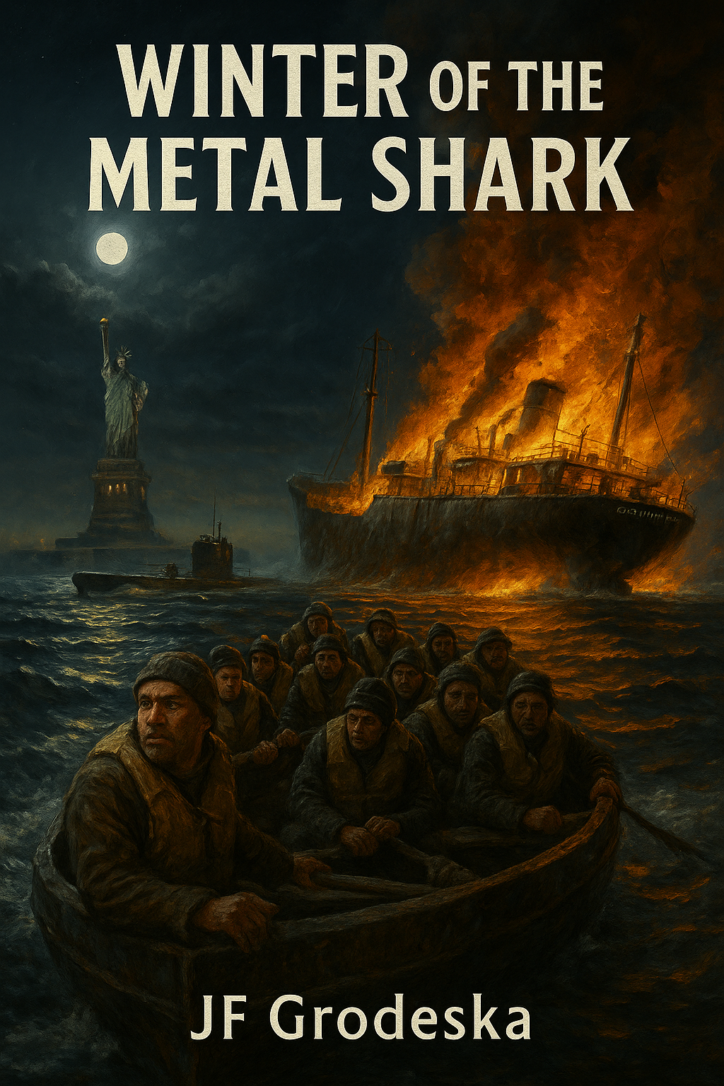
January 14, 1942. The British-flagged tanker SS Coimbra departed Bayonne, New Jersey, carrying over 2.7 million gallons of lubricating oil bound for Halifax. She traveled alone at ten knots, unescorted — a perfect target in a darkening sea.
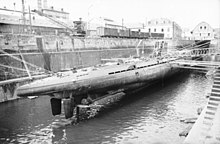
That night, the Atlantic lay strangely still. A waning crescent moon cast a pewter sheen over the black water. Just beneath the surface, U-123 silently approached. She was a predator — a German Type IXB submarine commanded by Reinhard Hardegen, on the first major strike of Operation Paukenschlag, or Drumbeat: Germany’s surprise U-boat assault on America’s East Coast.
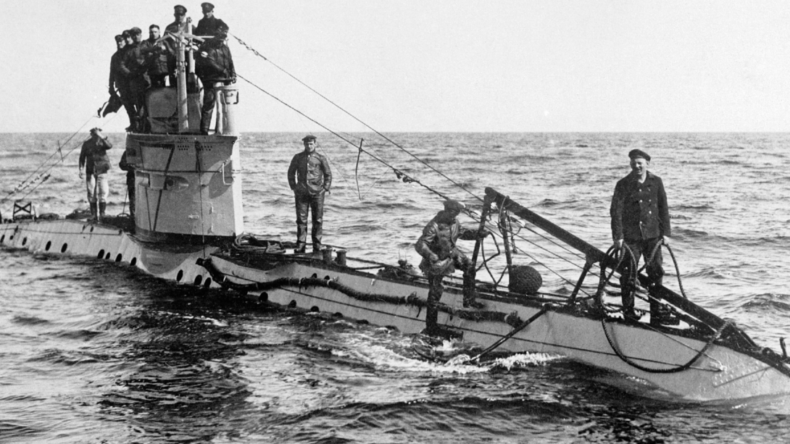
Hardegen surfaced just off New York Harbor.
“It was like peacetime. The city was fully lit. The Statue of Liberty was clearly visible. We could hardly believe our eyes.” He brought the boat closer. Shoreline roads twinkled. Coney Island’s lights glowed. There were no blackouts. No destroyers. No patrols. The men aboard U-123 climbed to the conning tower to stare.
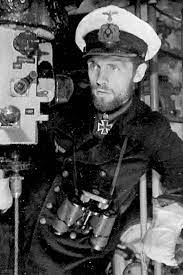
“My men stood and stared at the lights. I allowed it. It was something none of us thought we’d ever see.”
But awe turned to risk. Mistaking the lights of Coney Island for the Ambrose lightship, Hardegen nearly grounded the boat.
“We nearly went up on the beach,” he said in a postwar interview.
Hardegen turned south, hugging the Jersey coast. He would not strike New York Harbor — the risk to civilians and mines was too high. He would target the tankers that moved between the refineries of Bayonne and the convoys of Halifax.
January 15, 1942 (~8:30 AM) — 27 Miles Off Sandy Hook
At first light, U-123’s lookouts spotted a shadow moving east. It was the Coimbra, a 6,768-ton British steam tanker operated by the Socony-Vacuum Oil Company. She was unescorted. Her hull was fully visible. Her decks were lightly manned. U-123 was armed with six torpedo tubes, 22 torpedoes, mines, and she had a crush depth of 656 feet. She had stalked the Coimbra for nearly an hour.
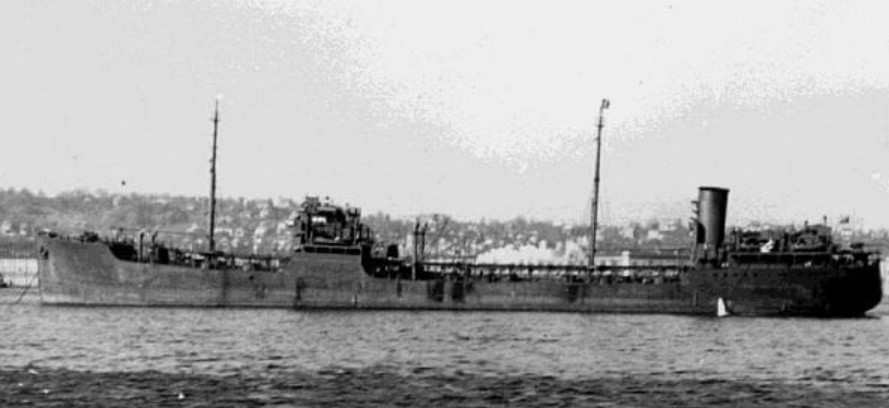
Hardegen watched Coimbra as she sailed along at ten knots. He took a deep breath and sighed. Then came his order.
“Feuer eins!”
January 15, 1942 (9:41 AM)
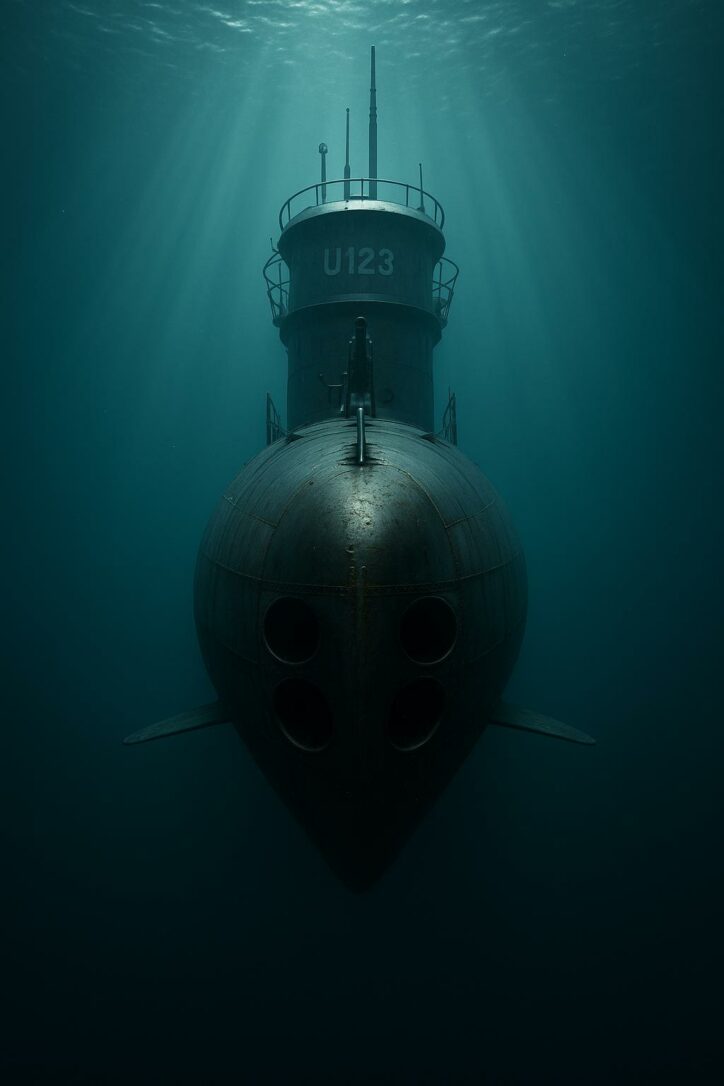
The first torpedo struck just aft of the superstructure. Oil ignited. A fireball soared hundreds of feet into the night sky. Residents as far away as Long Branch and Asbury Park saw the fireball and the black column of smoke from shore.
“The fire was enormous. We could feel the heat even from a safe distance.” — Hardegen
Eighteen minutes later, a second torpedo struck the aft tanks. The Coimbra broke by the stern and slipped beneath the waves.
Of the 46 men aboard, 36 were lost. Only ten survived.
Among the dead was Chief Officer W.L. Pinder (32 years old), who had rushed forward after the first torpedo to assess damage. Trapped between two walls of fire after the second blast, he jumped into the freezing sea.
At that exact moment, U-123’s crew turned on a searchlight to inspect the burning tanker. That light — meant for grim confirmation — saved Pinder’s life. It illuminated a capsized lifeboat nearby, where 11 others clung to the hull. Pinder reached it, helped right it, and climbed aboard.
The swells were relentless. The boat flooded. But inside, soaked and freezing, the 12 survivors found some warmth from the water — which, at that moment, was less deadly than the air above it.
Pinder later died of hypothermia.
Hardegen surfaced U-123. He approached the lifeboat, reportedly questioned the men, offered supplies and a heading, and submerged once more. They had spent too much time on the surface.
“I took no joy in the Coimbra. She was a sitting duck.” -Hardegen
Aftermath
During Operation Drumbeat, U-123 sank nine merchant ships, from Massachusetts to Florida, totaling over 53,000 gross tons — more than any other U-boat in the first wave.
Hardegen was praised in Germany, summoned by Hitler, and reassigned to a training post.
But his legacy remains complicated.
He claimed adherence to the Geneva Conventions. He surfaced after the attacks. He aided survivors. He refused Nazi Party membership and challenged Hitler openly. Captured by British forces, he was held as a POW until 1946 and released — in part due to testimonials from Allied survivors.
After the war, he founded an oil import company in Bremen — selling the very products he once tried to keep out of Allied hands. He served 32 years in the Bremen parliament.
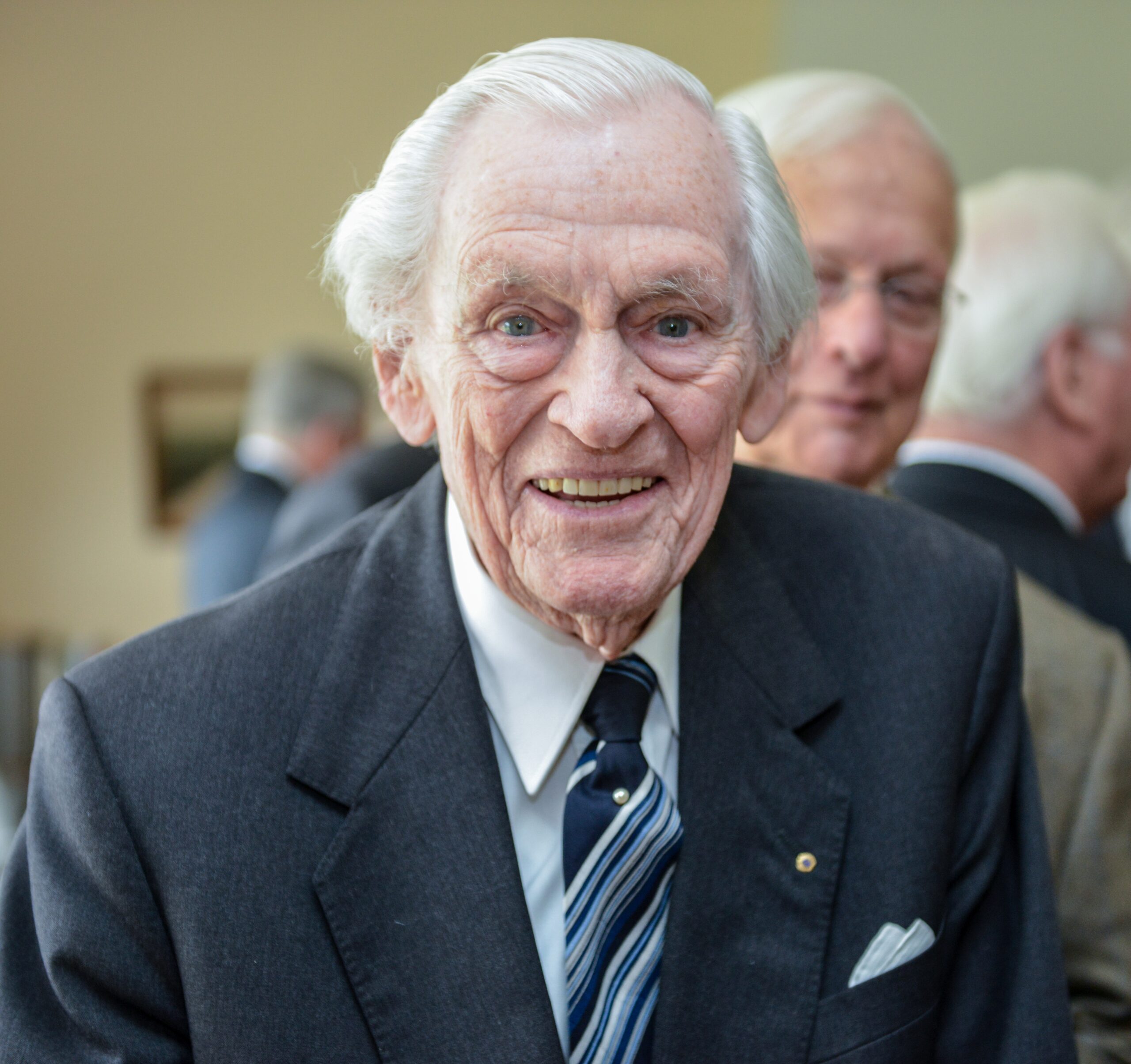
Reinhard Hardegen died in 2018 at the age of 105.
History remembers him not as a hero, but as a contradiction — a man who waged war and yet tried, in his own way, not to betray his conscience.
He died in Bremen — but the war followed him, always. In the North Atlantic. On the tide. In the memory of those who still recall the day the sea caught fire.
“I tried to avoid needless killing,” he once said. “But I was a naval officer. And this was war.”
Epilogue: Coimbra
For three decades, the Coimbra lay forgotten 165 feet below the surface lying on the seafloor — a steel tomb. In 1975, fishermen reported seeing a sheen on the water. NOAA confirmed it.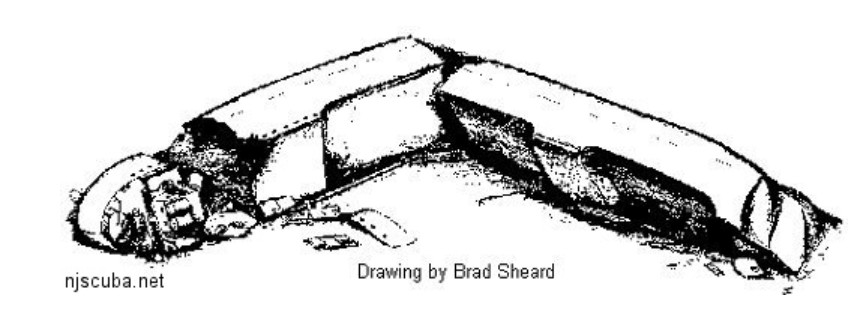
She had begun to bleed again.
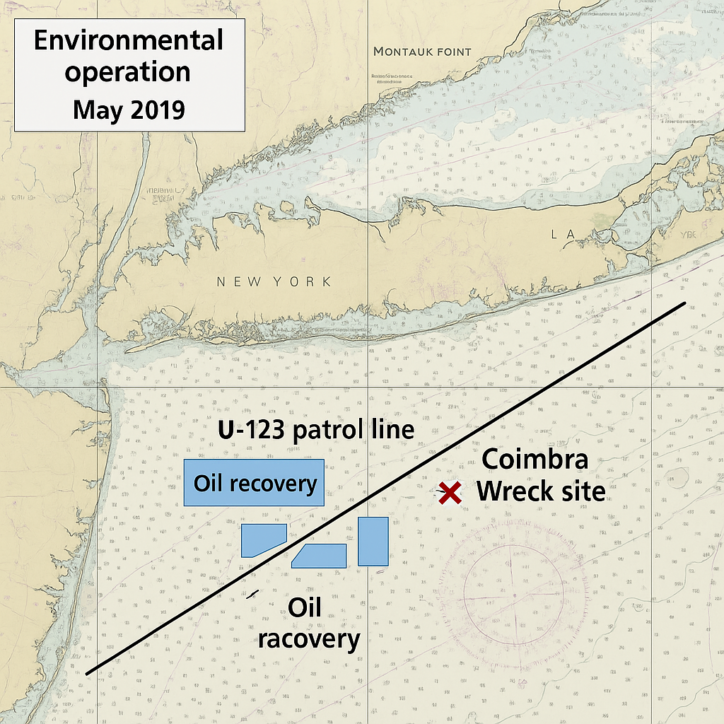
In 2015, satellite data showed worsening oil slicks. By 2019, the U.S. Coast Guard, Resolve Marine Group, and state partners launched a full-scale environmental recovery operation.
They removed over 450,000 gallons of oil — nearly all that remained. It was one of the most ambitious salvage efforts ever undertaken on a WWII wreck and prevented what could have been an epic environmental disaster.
Today, at least four shipwrecks off the Mid-Atlantic Coast are environmental time bombs: the Coimbra, W.L. Steed, which is leaking pollutants like heavy metals (nickel, copper), polycyclic aromatic hydrocarbons (PAHs), arsenic, and explosive compounds into the surrounding sediment.
Francis E. Powell, with 93,000 barrels of fuel oil that have begun to seep to the surface.
Northern Pacific an oil-fired steam turbine liner, sunk after a fire in 1922, 30 miles south of Cape May.
While the immediate cause was fire, the wreck could potentially leak residual fuel oil over time. These wrecks remain under environmental surveillance. Only the Coimbra has been cleared.
(Read more at Coastal Review, coastalreview.org.)
The Winter of the Steel Shark was remembered not for strategy, or honor, or torpedo trajectories. It was remembered in the homes where families waited for men who never came home from the sea.
Remembered in the silence of shipping offices. It is remembered in the smoke above the horizon and the smell of oil in the wind.
In New Jersey, war arrived not with the sound of marching boots — but with fire and death.