- Check conditions before entering the water: are any warning flags up? Ask a lifeguard about water conditions, beach conditions, and potential hazards.
- While in the water, stay at least 100 feet away from piers and jetties. Permanent rip currents often exist near these structures.
Breathing in coastal sea air provides a unique combination of chemical, physical, and environmental benefits that support both physical and mental well-being.
1. Improved Respiratory Function
-
- Mucus Clearance: Sea air carries microscopic droplets of saltwater rich in sodium chloride, iodine, and magnesium. Inhaling these saline aerosols moisturizes the respiratory tract, thins thick mucus, and stimulates your lungs to clear out foreign particles.
- Symptom Relief: This natural form of salt therapy (similar to clinical halotherapy) can temporarily ease congestion and reduce coughing for individuals with asthma, bronchitis, sinus pressure, and COPD.
- Low Pollution: Coastal environments typically feature lower levels of urban air pollution, allergens, and soot, giving your lungs a restorative break from everyday city smog.
2. Stress Reduction & Mental Well-being
-
- Negative Ions: Crashing ocean waves break apart water molecules, generating high concentrations of negatively charged ions. When inhaled, these ions are believed to promote oxygen absorption and increase serotonin production, which directly elevates mood and lowers anxiety levels.
- The “Blue Mind” Effect: Being near marine environments—known as blue spaces—triggers a meditative psychological state. Visually tracking the rhythmic, fractal patterns of waves has been shown to lower cortisol (the stress hormone) and decrease overall blood pressure.
- Better Sleep Quality: The combination of decreased stress, rhythmic ambient sound, and cleaner air helps relax the central nervous system, helping you achieve deeper, higher-quality sleep.
3. Secondary Environmental Health Perks
- Immune Support: Increased exposure to coastal sunlight triggers Vitamin D synthesis, which is critical for bone health, muscle function, and robust immune defenses.
- Physical Activity: People visiting or living near the coast are statistically more likely to engage in low-impact outdoor exercises like coastal hiking, swimming, or walking on sand, which accelerates cardiovascular fitness.
- Longevity: Public health research indicates that communities living near coastal regions enjoy a statistically higher life expectancy than inland populations, largely driven by these overlapping environmental and lifestyle advantages.
We who are lucky enough to live here have felt so much better every time we go to the beach!
]]>This phenomenon is backed by a growing body of scientific research often referred to as “Blue Mind” theory, a term popularized by marine biologist Dr. Wallace J. Nichols. It describes the mildly meditative, relaxed state the human brain enters when we are near, in, or on water.
Our brains shift from a highly stressed “red mind” state—characterized by overstimulation and anxiety—to a calm, restorative “blue mind” state.
`
Simple Ways to Experience “Blue Mind”
-
- Paddleboarding or Kayaking: Combines gentle physical exercise with smooth gliding over lakes or rivers.
- Swimming: Yields a weightless, sensory-deprivation effect that closely mimics deep meditation or yoga.
- Coastal Walking: Exposes you to crashing waves, which fracture water molecules to release mood-boosting negative ions.
- Passive Gazing: Sitting on a dock or a beach for as little as 20 minutes to watch the water pattern resets your stress baseline.
If you are feeling overwhelmed, planning even a short trip to a local stream, lake, or coastline can act as an immediate mental reset.
]]>Every summer, we lose several people to the rip because they don’t know how to recognize it or even worse, how to swim safely out of it. Here are some tips from The Red Cross that every visitor to ANY shore should know:
Rip Currents
Rip currents are responsible for most rescues performed by lifeguards, rip currents can form in any large open water area (including the Great Lakes), such as low spots and breaks in sandbars, or near structures such as jetties and piers.
How to Escape from a Rip Current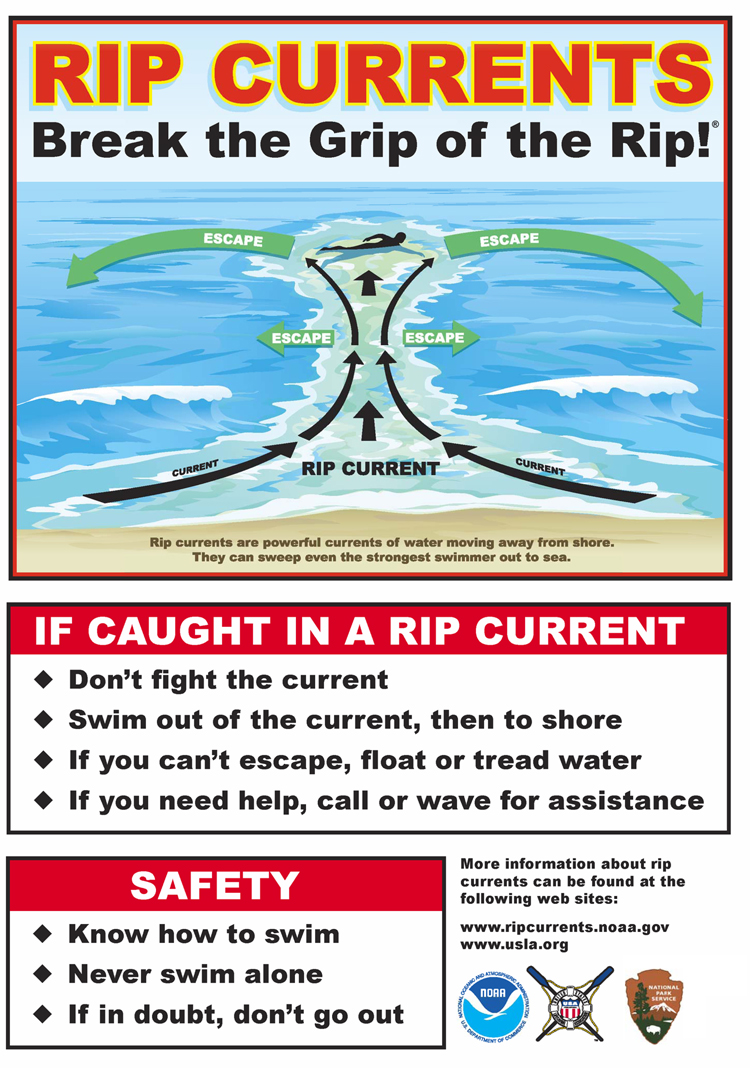
- If you are caught in a rip current, stay calm and don’t fight it.
- Swim parallel to the shore until you are out of the current. Then, turn and swim to shore.
- Alternately, float or tread water until you are free of the rip current and then head to shore.
- If you can’t make it to shore, draw attention to yourself by waving and calling for help.
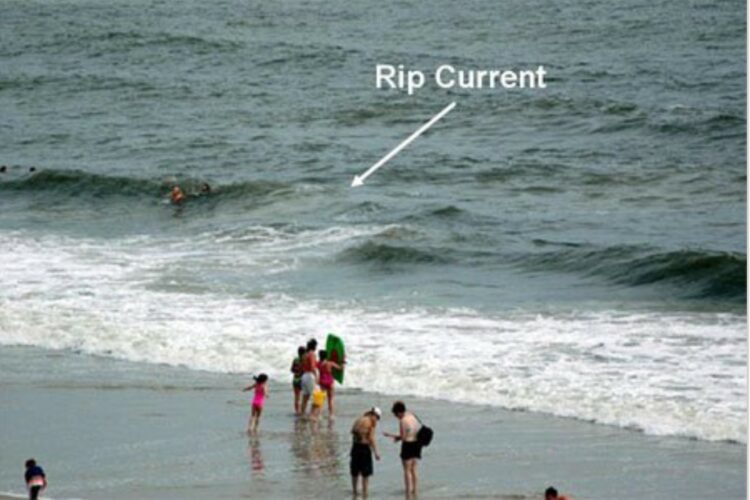
- If someone is in trouble in the water, get help from a lifeguard.
- If a lifeguard is not available, have someone call 9-1-1.
- Throw the victim something that floats – such as a lifejacket, cooler or inflatable ball – and yell instructions on how to escape the current. Do not attempt a rescue yourself unless you are a trained beach lifeguard.
Every summer, we lose several people to the rip because they don’t know how to recognize it or even worse, how to swim safely out of it. Here are some tips from The Red Cross that every visitor to ANY shore should know:
Rip Currents
Rip currents are responsible for most rescues performed by lifeguards, rip currents can form in any large open water area (including the Great Lakes), such as low spots and breaks in sandbars, or near structures such as jetties and piers.
How to Escape from a Rip Current
- If you are caught in a rip current, stay calm and don’t fight it.
- Swim parallel to the shore until you are out of the current. Then, turn and swim to shore.
- Alternately, float or tread water until you are free of the rip current and then head to shore.
- If you can’t make it to shore, draw attention to yourself by waving and calling for help.
- If someone is in trouble in the water, get help from a lifeguard.
- If a lifeguard is not available, have someone call 9-1-1.
- Throw the victim something that floats – such as a lifejacket, cooler or inflatable ball – and yell instructions on how to escape the current. Do not attempt a rescue yourself unless you are a trained beach lifeguard.

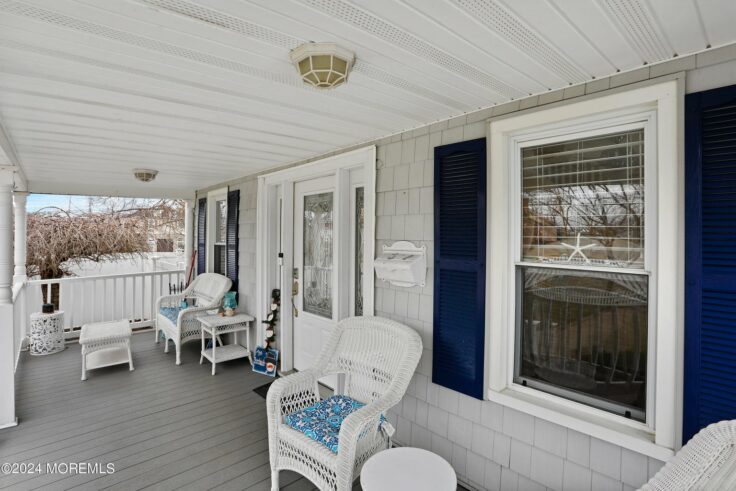
Live the beach town lifestyle in this gracious and inviting home.


Stroll to town for morning coffee or entertain guests poolside from this charming location.


Impeccably maintained and lovingly cared for, this home offers an open floor plan,


sun filled rooms and hardwood floors throughout.


Ideal for entertaining with newer kitchen that gracefully flows to great room and overlooks the private yard with pool and patio.


A finished basement and over sized master ensuite complete the package.

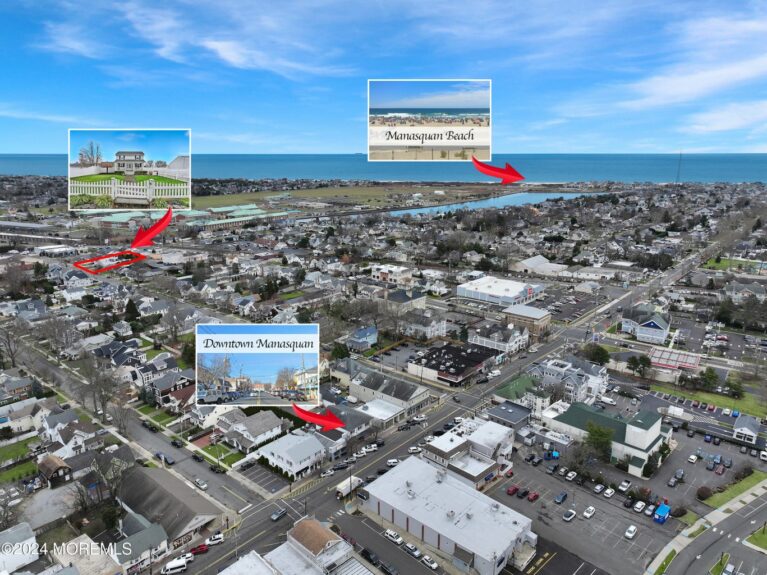
Take in the summer breeze on the rocking chair front porch and bike ride to the beach. This home is bound to be a family destination for years to come.
This home at 100 Parker Avenue, Manasquan, NJ is listed for $1,349,000 with Stephanie Liskowitz of Keller Williams-
 OPEN HOUSE SATURDAY 2/3 & SUNDAY 2/4 1-3 PM
 Call 908-720-1877 to see this gorgeous home today!
https://www.facebook.com/sliskowitz/
“Your Jersey Shore Realtor”
]]>Please dress for the weather, wear comfortable walking shoes, bring water and binoculars if you have them. Please be prepared to walk on the beach and on uneven terrain. Shoes must be worn at all times.
Saturday, November 18
1:00 p.m. – 3:00 p.m.
Meet at Littoral Society Headquarters (18 Hartshorne Drive, Highlands NJ 07732)
Cost: $10 for members, $20 for non-members
Contact: [email protected] with any questions
COA’S FALL BEACH SWEEPS ON OCTOBER 21!
Get your buckets ready to join the COA crew and volunteers from all over NJ and beyond for the 2023 Fall Beach Sweeps! Volunteers are needed at over 70 locations across the state to help clean up beaches and waterways.
Find a location near you: https://cleanoceanaction.org/beach…/sites-and-registration
Register here: https://tinyurl.com/2pyk836c
Spread the word: Invite friends, family, neighbors, and colleagues for a day at the beach to help keep the sea healthy and clean!
We’ll SEA you there!
]]>Every summer, we lose several people to the rip because they don’t know how to recognize it or even worse, how to swim safely out of it. Here are some tips from The Red Cross that every visitor to ANY shore should know:
Rip Currents
Rip currents are responsible for most rescues performed by lifeguards, rip currents can form in any large open water area (including the Great Lakes), such as low spots and breaks in sandbars, or near structures such as jetties and piers.
How to Escape from a Rip Current
- If you are caught in a rip current, stay calm and don’t fight it.
- Swim parallel to the shore until you are out of the current. Then, turn and swim to shore.
- Alternately, float or tread water until you are free of the rip current and then head to shore.
- If you can’t make it to shore, draw attention to yourself by waving and calling for help.
- If someone is in trouble in the water, get help from a lifeguard.
- If a lifeguard is not available, have someone call 9-1-1.
- Throw the victim something that floats – such as a lifejacket, cooler or inflatable ball – and yell instructions on how to escape the current. Do not attempt a rescue yourself unless you are a trained beach lifeguard.
Every summer, we lose several people to the rip because they don’t know how to recognize it or even worse, how to swim safely out of it. Here are some tips from The Red Cross that every visitor to ANY shore should know:
Rip Currents
Rip currents are responsible for most rescues performed by lifeguards, rip currents can form in any large open water area (including the Great Lakes), such as low spots and breaks in sandbars, or near structures such as jetties and piers.
How to Escape from a Rip Current
- If you are caught in a rip current, stay calm and don’t fight it.
- Swim parallel to the shore until you are out of the current. Then, turn and swim to shore.
- Alternately, float or tread water until you are free of the rip current and then head to shore.
- If you can’t make it to shore, draw attention to yourself by waving and calling for help.
- If someone is in trouble in the water, get help from a lifeguard.
- If a lifeguard is not available, have someone call 9-1-1.
- Throw the victim something that floats – such as a lifejacket, cooler or inflatable ball – and yell instructions on how to escape the current. Do not attempt a rescue yourself unless you are a trained beach lifeguard.
About the Beach Sweeps
In 1985, COA launched the region’s first Beach Sweeps program to rid beaches of unsightly and harmful debris. COA’s Beach Sweeps is one of the longest-running cleanups of its kind in the world. The program has grown from 75 people at one site in 1985, to over 10,000 volunteers in 2018. Volunteers gather from Raritan to Delaware Bays and along the ocean to clean beaches and waterways, as well as underwater sites. They join as groups (community, school, business, and organization), families, or individuals. Participants collect and record valuable data about debris, which is presented in annual reports and used to advance federal, state, and local programs to reduce litter.
Fish, whales, birds, and other animals often mistake litter for food. As a result, animals get entangled in or ingest items, such as plastic bags, cigarette filters, and fishing line, with deadly results. Cigarette filters mimic fish and have been found in the stomachs of birds and larger fish, blocking and affecting their digestion. Also, the filters are made of plastic fibers and trap carcinogenic (cancer-causing) chemicals that are introduced into animals’ bloodstreams.
Moreover, plastic litter takes a few years to several hundred years to break down, thereby threatening wildlife for decades. Litter in waterways can also foul boat motors and propellers, resulting in costly repairs. Finally, littered beaches can ruin a day at the beach. Garbage slicks and wash-ups close beaches to swimming and are detrimental to tourism and the coastal economy.
Who should participate in Beach Sweeps?
Volunteers of all ages. Children age 12 and under must be supervised by an adult. Registration is required. Register here!
How to get involved in Beach Sweeps:
- To participate in the Beach Sweeps first review the list of Beach Sweeps sites.
- Once you’ve selected a site, click here to register to participate! Registration is required.
- The event runs from 9:00 am – 12:30 pm. Volunteers can select a check-in time of either 9:00 am or 10:00 am. The event is rain or shine.
- Bring a face covering, gloves and a trash bucket (this helps to reduce the number of plastic bags used).
- Wear sunscreen and hard-soled shoes.
- Dress for the weather. Stay off dunes and respect wildlife.
- Volunteers can click here to learn more about becoming a Beach Captain.
If you have any questions about the Beach Sweeps please contact:
Clean Ocean Action
732-872-0111
]]>